Civilizational memory archive
Culture & Identity
A civilizational memory archive for Tunisia, Carthage, Amazigh inheritance, maritime borderlands, diaspora identity, and the systems of belonging that turn culture into infrastructure.
- Archive
- Civilizational memory
- First anchor
- Tunisia
- Reading lens
- Place, memory, transmission, identity, continuity
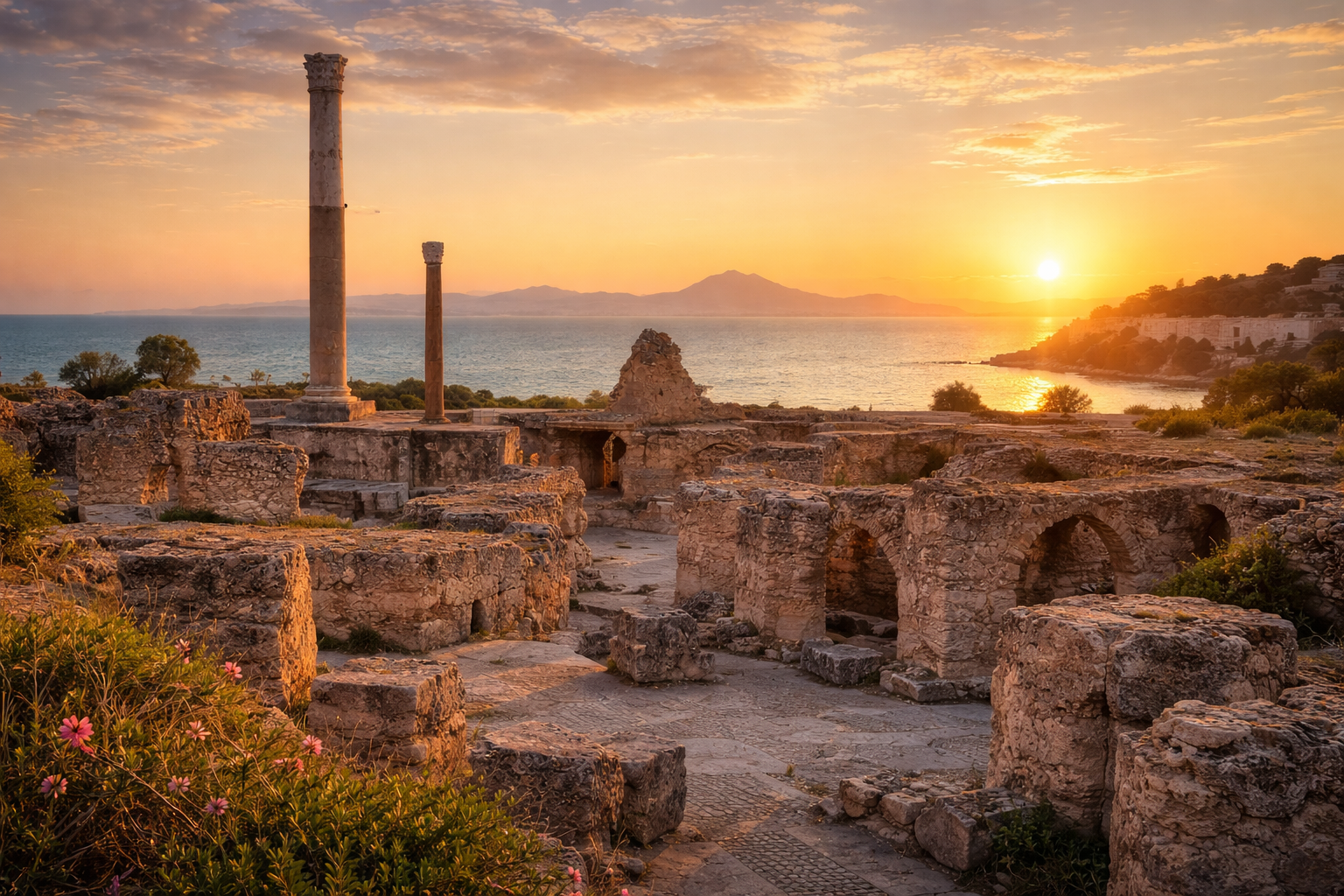
Tunisia, read as layers: from the surface down to the oldest foundation
- Modern Tunisia1956 to present
- French colonial administration1881 to 1956
- Ottoman Tunisia1574 to 1881
- Islamic Ifriqiya647 to 1574
- Roman Africa146 BCE to 439 CE
- Carthage814 to 146 BCE
- Amazigh foundationsca. 10,000 to 900 BCE
What is this archive?
Culture is not decoration
Culture is the memory layer of civilization. It tells people who they are, what they inherit, what they defend, and what future they believe is still possible. Identity becomes powerful when it stops being only personal and becomes civilizational infrastructure.
Culture and identity are not treated here as loose fragments. This page is a civilizational memory archive and an identity map connecting Tunisia, maritime borderlands, diaspora, philosophy, systems thinking, and Darja Rihla doctrine.
Tunisia is where this archive begins, not where it ends. Every place opens onto routes, people, inherited memory and the other worlds it is connected to.
- Memory becomes structure
- Culture is organized as an archive layer: places, languages, institutions, myths, routes, and inherited meanings arranged into a readable system.
- Belonging becomes infrastructure
- Identity becomes powerful when it moves beyond personal feeling and becomes a shared architecture of continuity, defense, legitimacy, and future imagination.
- Culture connects to strategy
- The archive bridges historical culture with systems thinking, philosophy, maritime power, institutional belief, and civilizational survival.
Culture travels through
- places
- languages
- institutions
- rituals
- stories
- architecture
- routes
- families
- communities
- historical layers
The archive
The Culture & Identity Map
Essays published in Culture & Identity, grouped by the world they belong to, followed by the doctrine essays this archive draws on from other hubs.
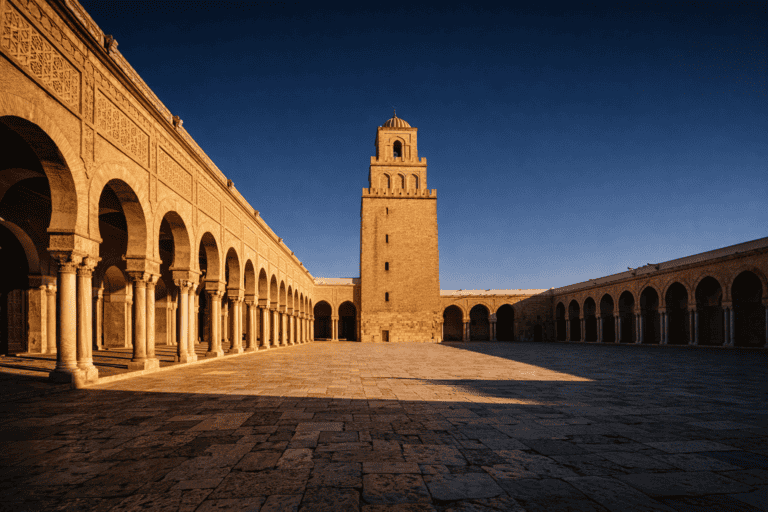
Civilizational memory
Tunisia
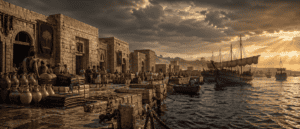
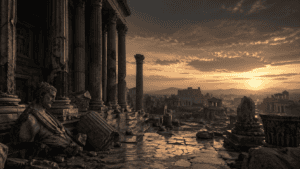
Tunisia is a compressed archive of Punic, Amazigh, Roman, Islamic, Mediterranean, and modern memory. This lane reads geography as a civilizational memory system.
Doctrine Inherited meaning becomes durable when ruins, cities, language, faith, and routes continue to organize belonging across centuries.
- Tunisia: The Civilization They Forgot to ForgetPillar
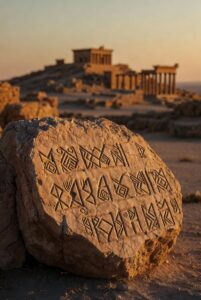
- Dougga Tifinagh Tunisia: The Hidden Amazigh Script of TunisiaEssay
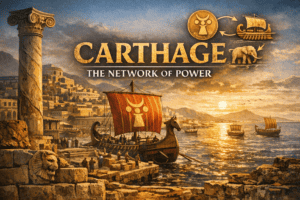
- Carthage Network Power: How an Ancient Empire Challenged RomeEssay
- Tyrian Purple Meninx: How Luxury Built Power in DjerbaEssay
- Kairouan Islamic Civilization · History of TunisiaEssay
Routes and frontiers
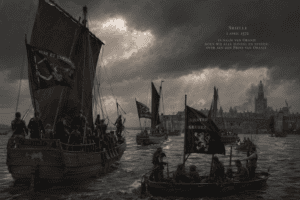
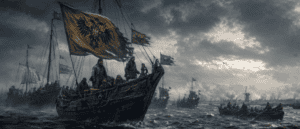
Maritime Borderlands
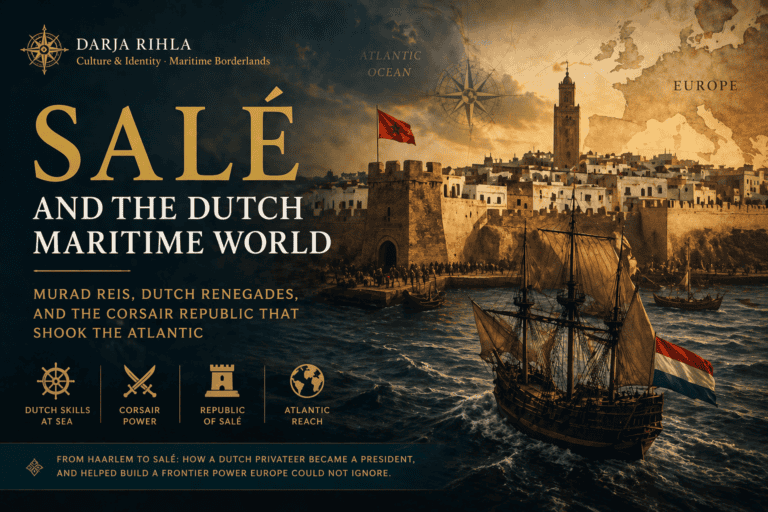
Corsair republics, Dutch privateering, VOC power, and the frontier institutions that connected the Mediterranean and the Atlantic.
Doctrine Maritime power becomes political when routes, institutions, and stories align to defend territory and belief systems.
Identity across distance
Diaspora & Belonging
Diaspora identity, transnational communities, inherited meaning across borders, and the architecture of cultural continuity in dispersion.
Doctrine Diaspora identity endures when it becomes an operating system: shared practices, stories, and institutions that recreate belonging across distance.
This world is still open. Dedicated essays are linked here once they are published.
Cross-hub doctrine
Doctrine Bridges
Essays from other hubs that this archive leans on for belief, cohesion, legitimacy, and continuity.
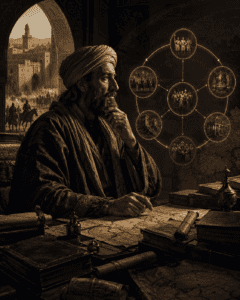
Doctrine Civilization endures when memory, meaning, systems, and infrastructure align, creating coherence across cultural, philosophical, and strategic layers.
- The VOC Was a Belief System Before It Was a CompanyPhilosophy & Legacy
- Ibn Khaldun and the Cycle of AsabiyyahPhilosophy & Legacy
- Why Empires Need Stories More Than ArmiesPhilosophy & Legacy
- The Continuity ProjectSystems & Strategy
Curated paths
Reading Routes
Three paths through the archive, each revealing a different angle of culture, identity, and belonging. Read the steps in order.
The Identity Route
Start with Tunisia’s memory system, follow the Amazigh and Islamic layers, then read the cohesion that holds a people together.
The Maritime Route
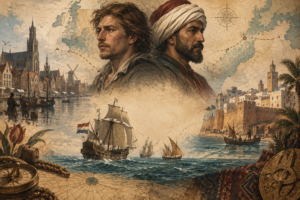
Follow seapower and trade from Carthage and Djerba to the corsair republic of Salé, the Haarlem-born sailor who became one of its corsairs, and the rise of Dutch maritime power.
The Systems Route
Understand culture as infrastructure: memory becomes structure, belonging becomes operations, narrative becomes legitimacy.
Platform integration
Connected Layers
Culture & Identity is the memory layer of a larger system connecting to philosophy, strategy, and infrastructure.
-
Memory layer
Culture & Identity
You are here: places, languages, institutions, and inherited meanings.
-
Meaning layer
Philosophy & Legacy
Understanding what endures and why beliefs structure civilization.
-
Structure layer
Systems & Strategy
How meaning becomes institutions, incentives, and coherent action.
-
Infrastructure layer
Cybersecurity & Tech
Where systems are defended, scaled, and made resilient.
The archive is still being written
Culture & Identity grows one essay at a time. New work joins the worlds above when it is published, not before. For the newest writing across every Darja Rihla hub, follow the Signal Atlas.