Darja Rihla Signal Atlas
Read what is
moving now.
The Darja Rihla Signal Atlas brings essays, systems and cultural memory together as a living field. Begin with the newest signal, or enter through one of eight connected worlds.
Latest publication A literature-based investigation into the glasses attributed to Omar al-Mukhtar, comparing Italian scholarship, Libyan reporting and unresolved provenance and restitution claims.The Glasses of Omar al-Mukhtar: What the Evidence Can and Cannot Tell Us
Reading guide
How to read the Darja Rihla Signal Atlas
This page is designed as an editorial map rather than a conventional chronological feed. Its eight worlds connect systems thinking, cybersecurity, culture, philosophy, lifestyle, Dutch learning, health and practical building. Select a world to change the active signal, image and colour. Continue into the visual field to see how several subjects can illuminate the same question from different directions.
The Darja Rihla Signal Atlas gives every publication a place inside a wider inquiry. Systems articles establish structure and feedback. Cybersecurity articles examine digital trust and defensive practice. Cultural and philosophical writing follows memory, identity and meaning. Health, learning and Startup Lab material translate ideas into recovery, capability and tested work. The archive below preserves that editorial route, while the filters let you isolate one subject when you already know what you need.
The field also connects its own essays to dependable public reference points. Readers exploring digital resilience can continue with the cybersecurity guidance from CISA. Cultural inquiry can be placed beside UNESCO’s work on culture, while health and recovery topics can be compared with World Health Organization health resources. These sources do not replace the editorial voice. They provide external evidence, definitions and institutional context.
Use the Darja Rihla Signal Atlas as a starting point: enter through curiosity, follow the relationships between worlds and leave through the source or article that helps you act. The purpose is not to make every subject look identical. It is to make their connections visible without erasing the character of each theme.
Editorial atlas
Eight worlds.
One field of inquiry.
The archive is not one endless feed. Each world has its own questions, visual identity and path deeper into the work.

Startup Lab
Ideas, offers and operating systems tested against the reality of building something useful.
Four lenses
Ideas acquire depth
when worlds overlap.

Systems · Cybersecurity
See the structure behind the signal.
Infrastructure, feedback loops and digital trust become readable when they are viewed as connected systems rather than isolated events.
Culture · Memory
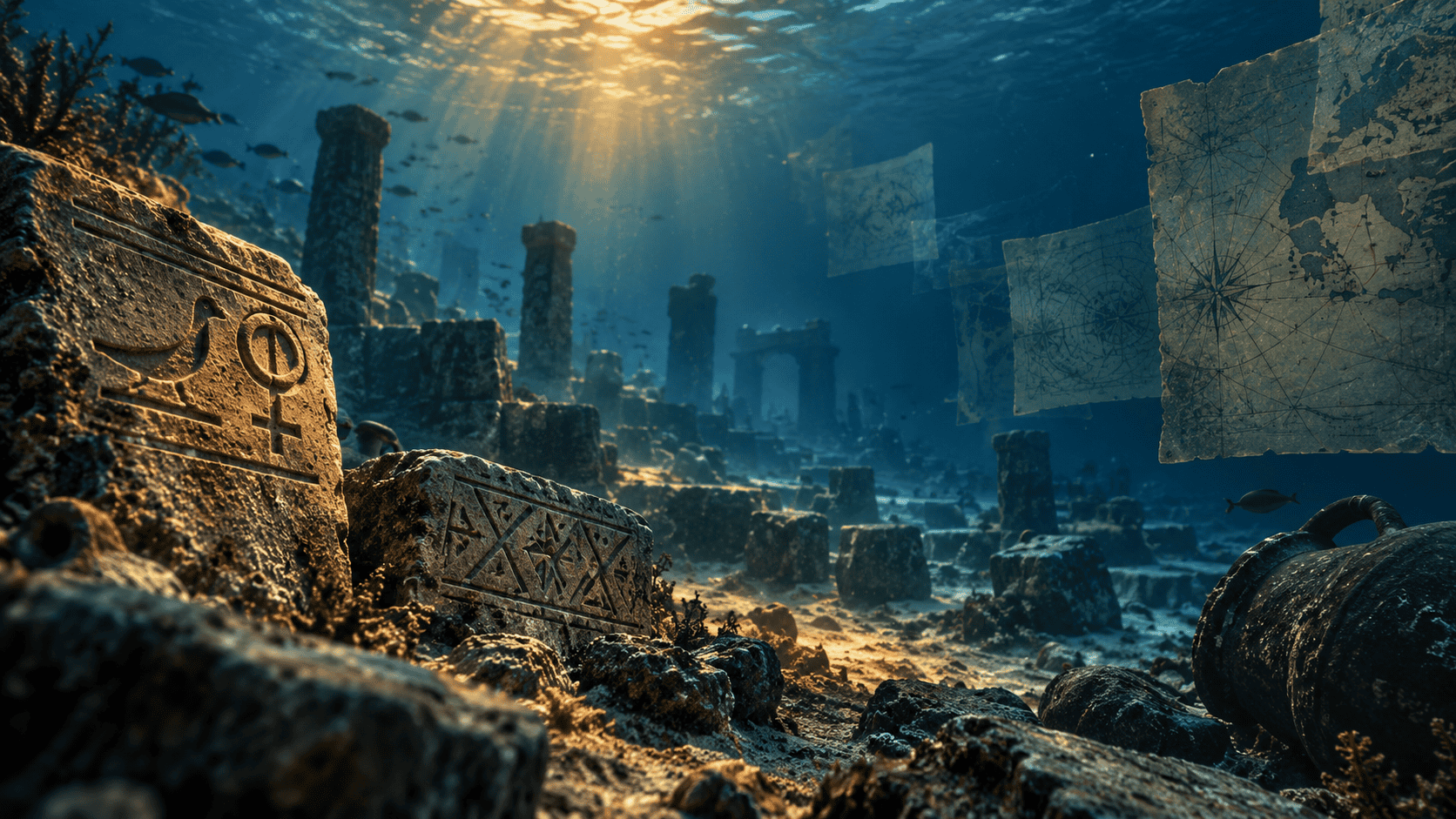
Memory moves beneath the surface.
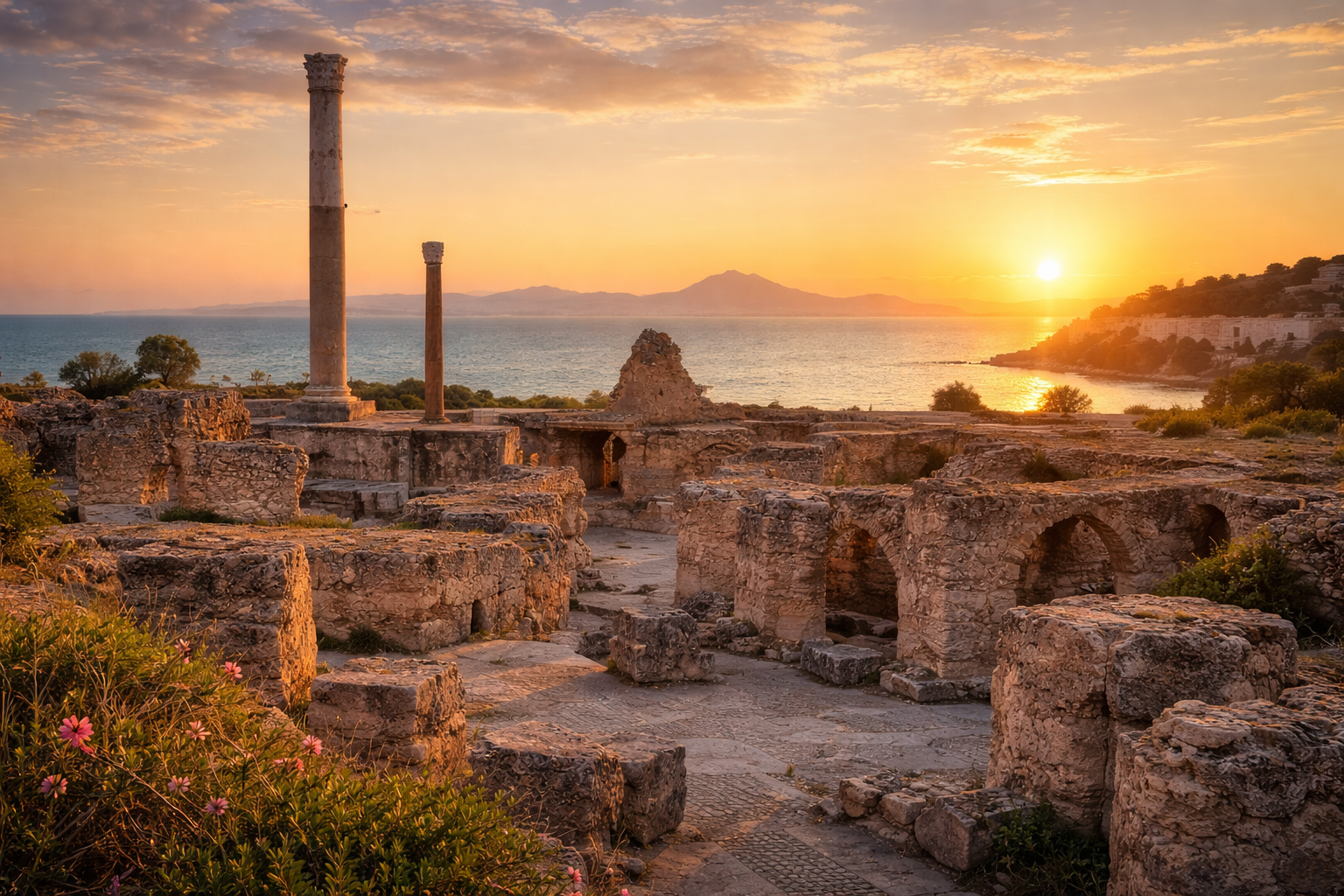
North African identity is read through continuity, navigation and the traces left behind by civilizations that shaped the Mediterranean.

Health · Philosophy
Recovery is an architecture.
Energy, discipline, breath and inner order form the physical and moral conditions from which sustained performance becomes possible.
Startup · Learning
Build until the idea leaves evidence.
The Startup Lab records practical experiments, working products and the decisions that turn intention into a public artifact.
Field archive
Follow a line of thought.
 01Foundation
Why Systems Thinking Matters in a Complex World
 02Deep dive
The Hidden Logic of Complex Systems
 03Mechanism
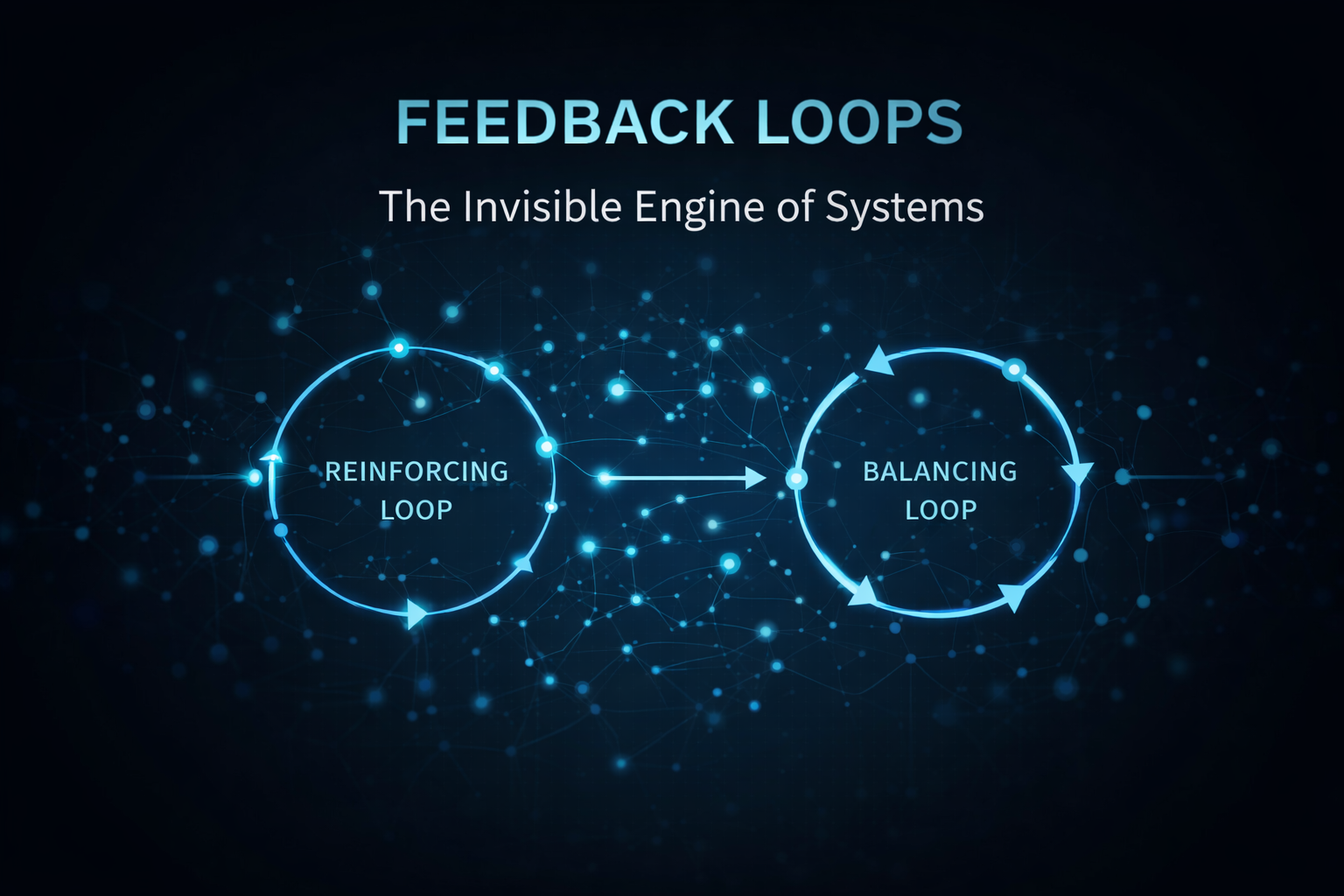
Feedback Loops in Systems
 04Pillar
How Cybersecurity Shapes the Modern World
 05Attack chain
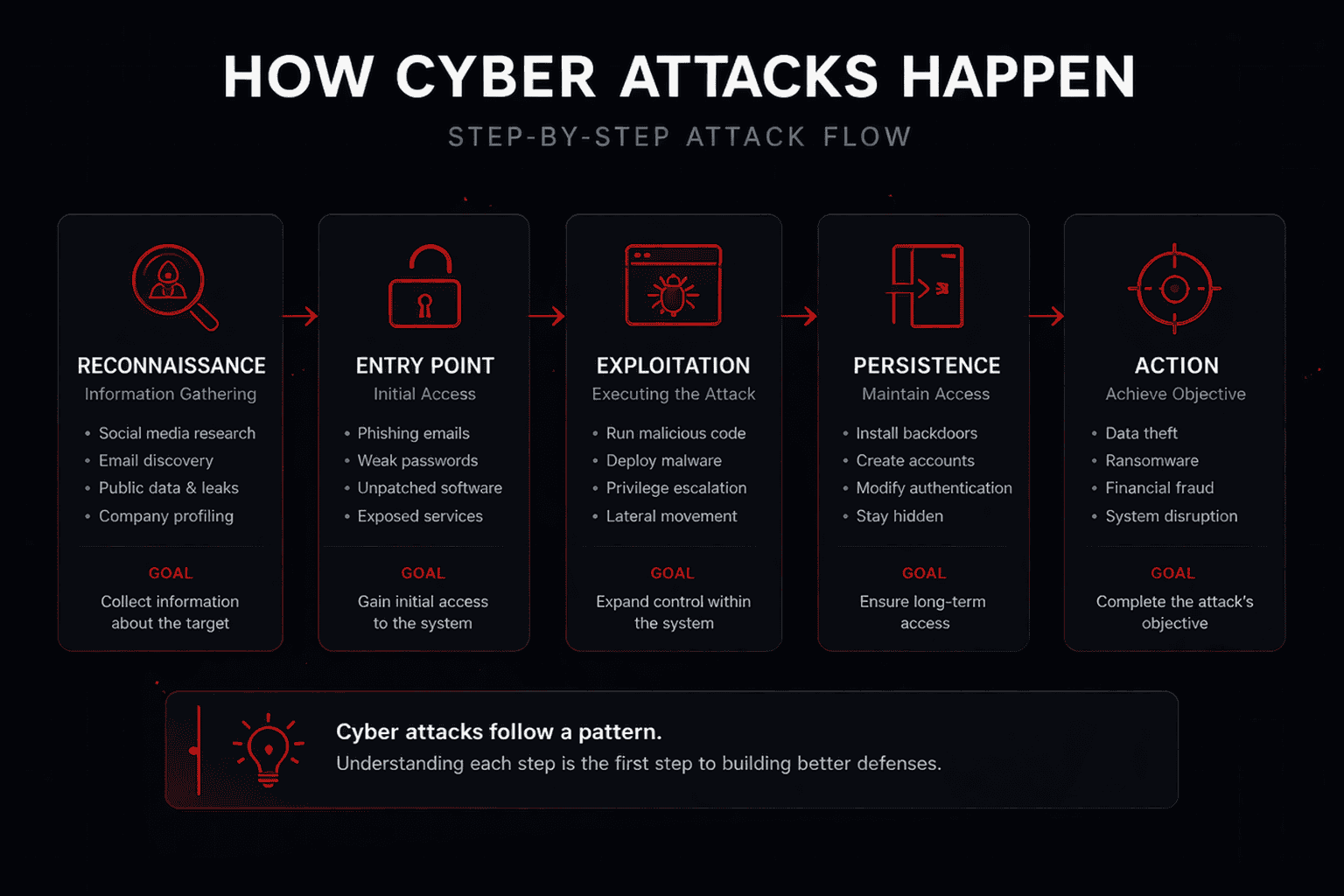
How Cyber Attacks Happen
 06Identity risk
AiTM Phishing: Why It Bypasses MFA
 07Living dossier
After Login: Zero Trust, Tokens and Revocable Trust in 2026
 08Deep dive
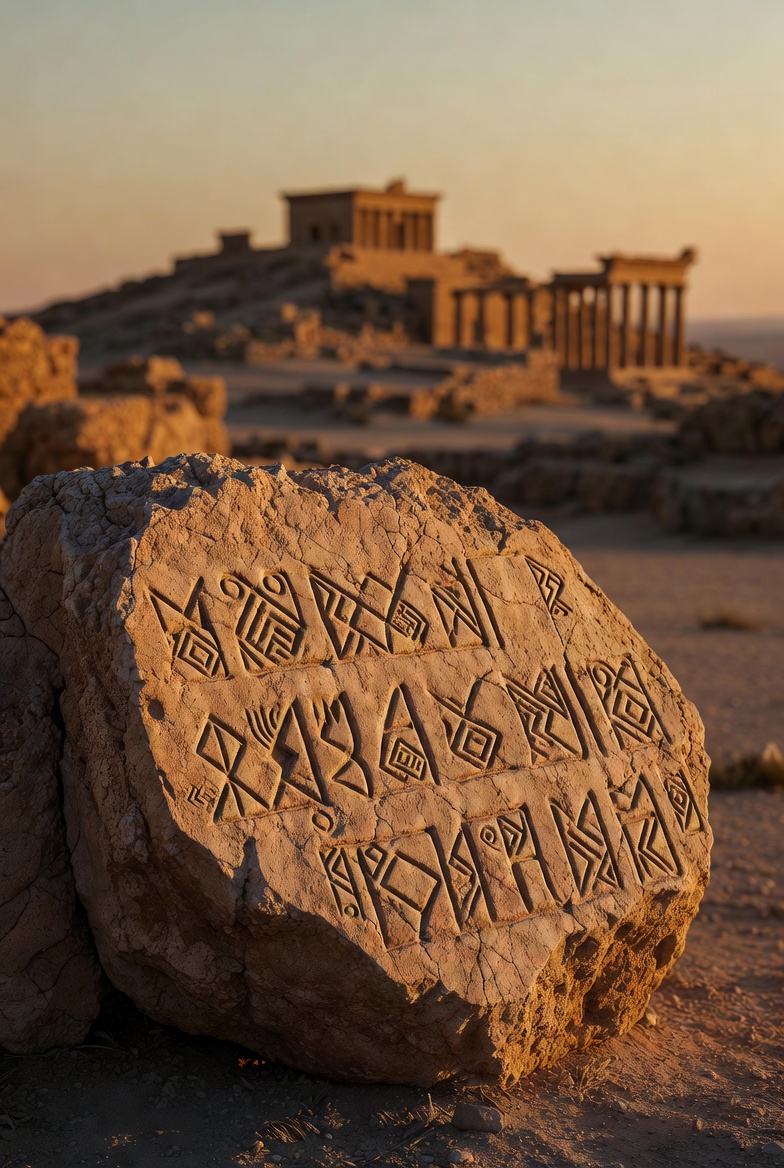
Dougga Tifinagh Tunisia: The Hidden Amazigh Script
 09Pillar
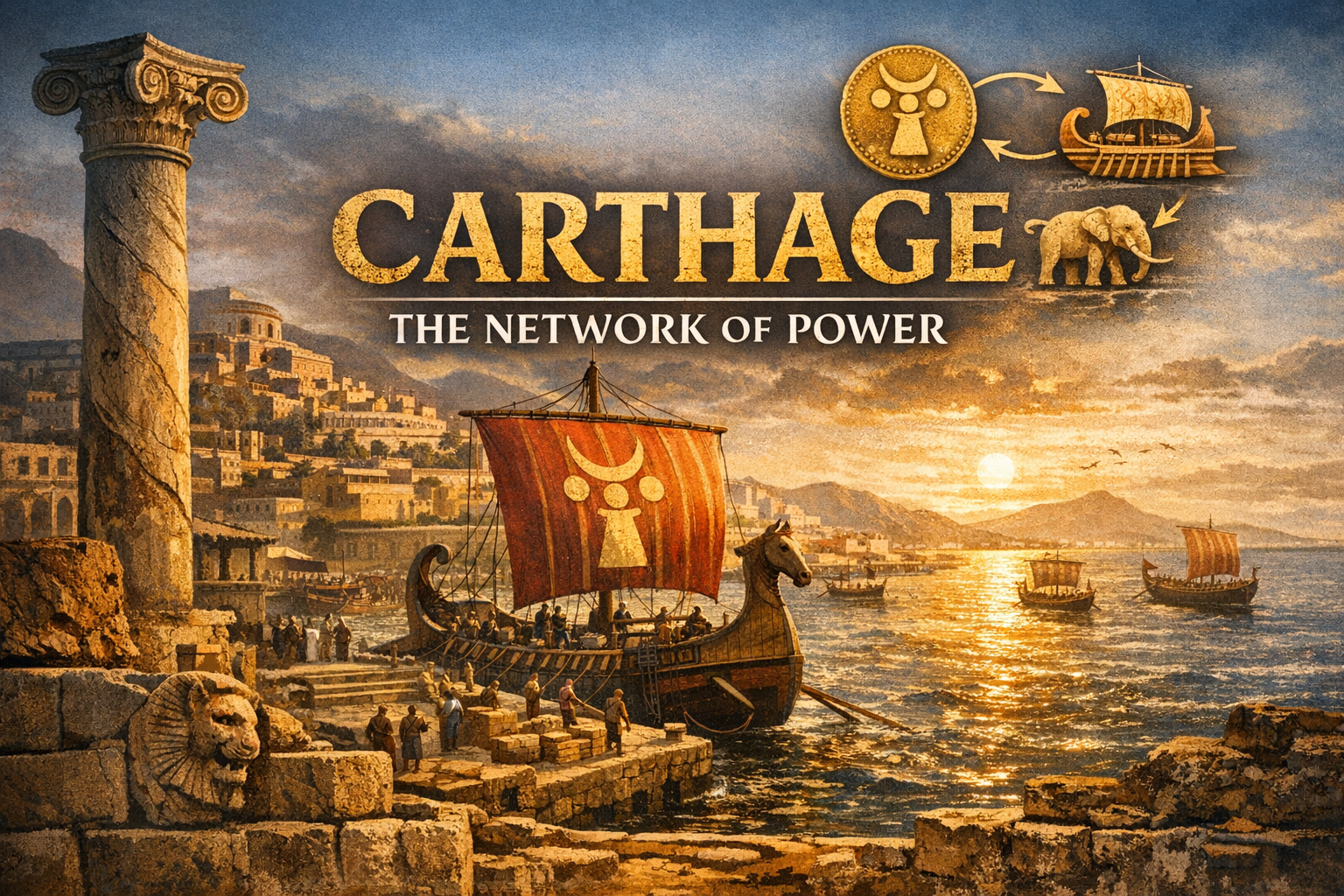
Carthage Network Power: How an Ancient Empire Challenged Rome
 10Institution
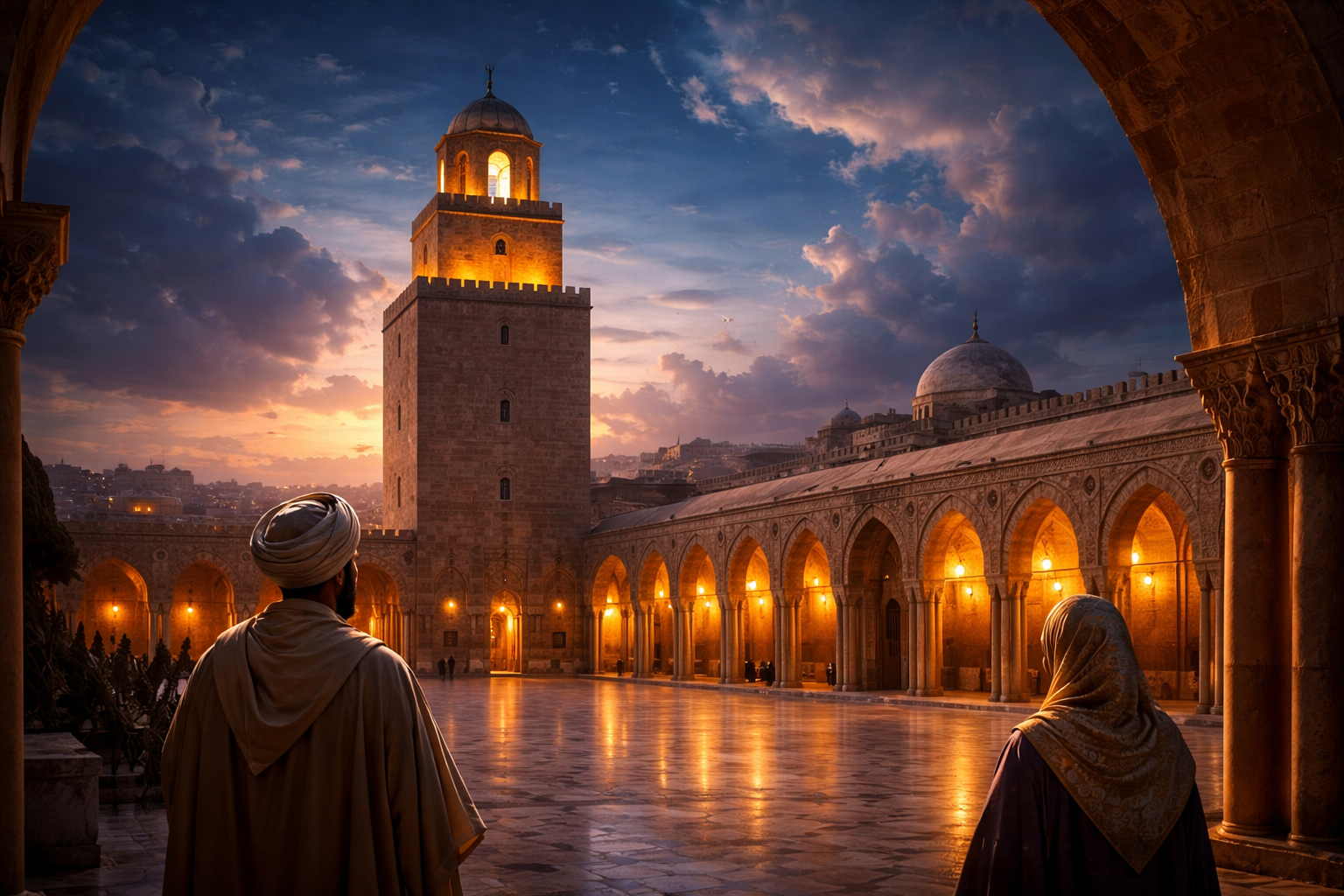
Kairouan and Islamic Civilization
 11Framework
Detachment vs Sincerity: Introduction
 12Analysis
The Myth of Detachment
13Position
Philosophy Misunderstood
 14Pillar
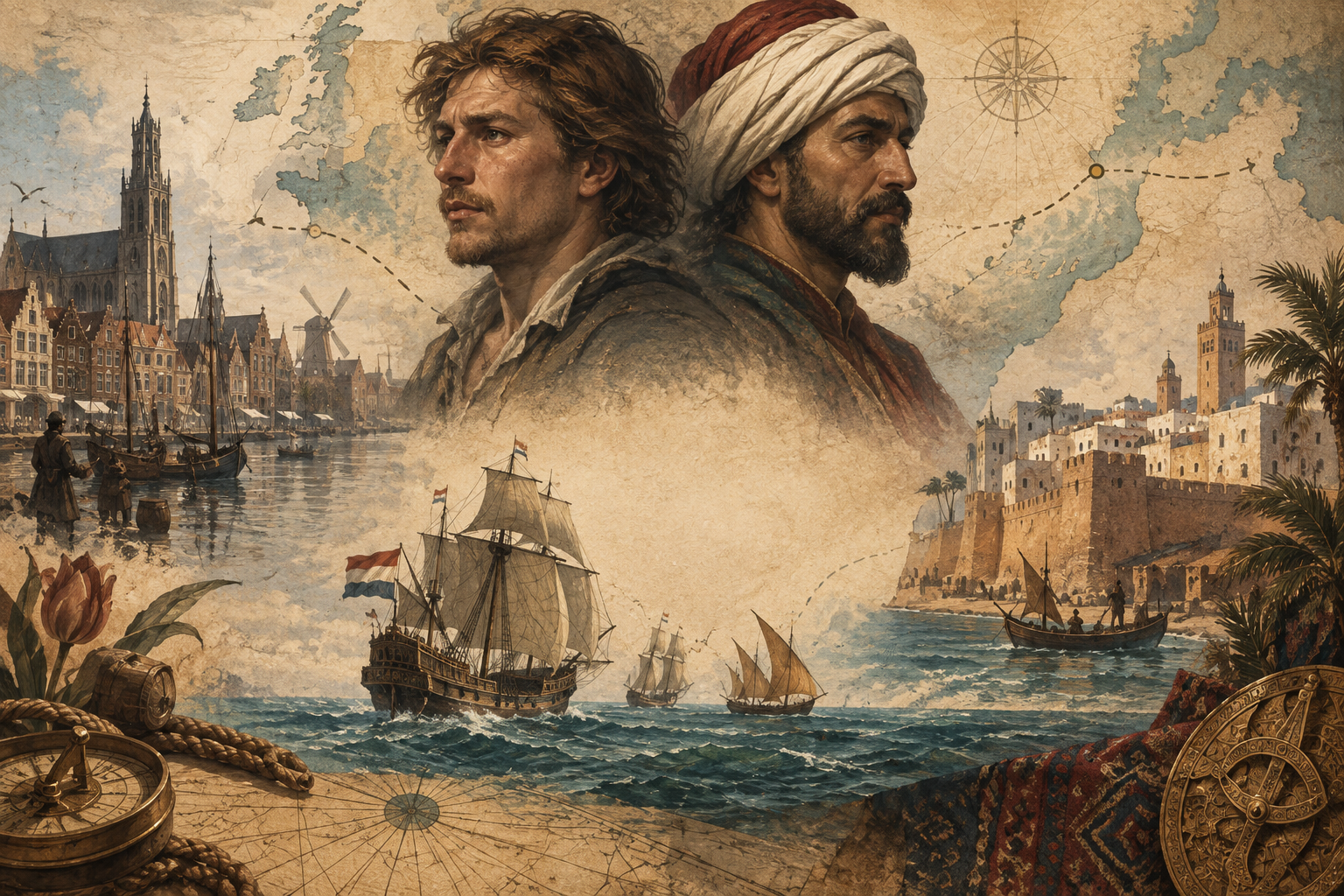
The Dutch Sailor Who Became Murad Reis
 15Master pillar
History of Tunisia: The Civilization They Forgot to Forget
15 publications in view